
What happens to composite veneers after 5 years?
March 21, 2025
In the world of dental veneers, you have a couple of decisions to make – namely, which type of veneer to choose.
Manufactured from either composite resin, porcelain, or a zirconia/porcelain combination and all lasting for a different amount of time, your preferences and the advice of an experienced dental professional should be taken into account when making the decision.
So, if you are considering composite veneers, what can you expect after 5 years?

What do composite veneers look like after 5 years?
Made from composite resin shells that are sculpted and adhered to the visible front of the teeth for an instant aesthetic improvement, many people choose composite veneers in London thanks to their shorter treatment timeline and more economical price tag.
But with this increased economy comes reduced durability – meaning most will last for around 5-7 years before needing to be replaced.
For this reason, after 5 years composite veneers can show signs of wear, including:
- Chipping
- Cracking
- Staining or discolouration
Or, in the worst cases, veneers can debond or detach entirely from the tooth’s surface.
If you notice any of these signs, you should see your cosmetic dentist as soon as possible.

What is the longest period composite veneers have lasted for?
While most last for 5-7 years on average with careful maintenance and a skilled dentist applying them, you might find that your veneers can last for up to 10 years.
Replacing older composite veneers when the time comes
If your veneers become damaged or even debond from your natural teeth, they can either be repaired or replaced.
Veneer repairs
If your composite veneers are cracked or chipped, your dentist can add additional resin to the area and rebuild the complete surface.
The price for this will vary depending on how many teeth are affected and how severely.
Veneer replacement
If it isn’t possible to repair your veneers or a veneer has been lost, you will be given a new veneer replacement.
Over the course of one appointment, this will include:
- Removing the old veneer – using specialist tools to painlessly break the bond between the resin and the tooth
- Preparing the tooth’s surface – thoroughly cleaning the tooth and gum and etching/roughening the enamel for better adhesion
- Applying the new veneer – moulding the composite into the right shape and size for an improved yet natural-looking smile
- Curing the veneer in place – using a UV light

How to get your composite veneers to last longer
If you are interested in keeping your composite veneers looking good for as long as possible, consider the following top tips from the veneer experts at LCCD:
- Reduce the build-up of plaque and tartar
Ensuring your dental health remains in good order reduces the likelihood of gum (periodontal) disease developing.
This is important because if the tooth structures are damaged, the veneer will likely fail.
To avoid this, brush your teeth at least twice a day, floss daily, and visit your hygienist regularly for professional cleanings.
- Don’t use your teeth as tools
While you might have done so for years without issue, using your teeth to open packets, cut tape, or even open bottles is a surefire way to encourage veneer loss.
Doing this can also damage your actual teeth, so it’s really not worth the risk.
- Avoid foods that stain
Most veneers have some element of stain resistance, but once in place they can’t be whitened.
Therefore, you should try to avoid consuming extensive amounts of staining food and drinks such as:
- Red wine
- Tea and coffee
- Sports or fizzy drinks
- Balsamic vinegar
- Sauces made with tomato or soy
- Curries
- Bright or high citrus fruits
- Foods high in added sugar, like chocolate or sweets
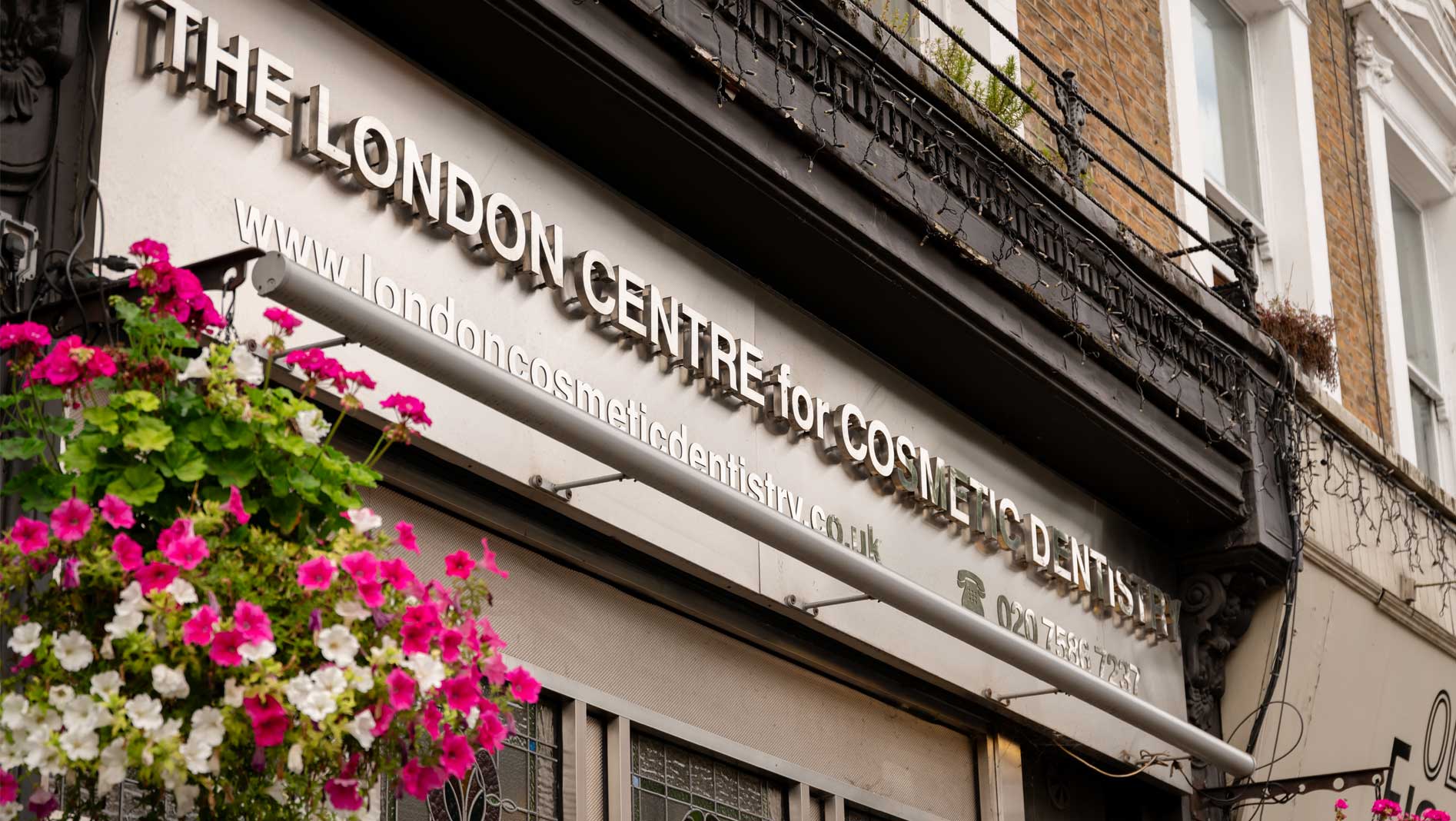
Why choose LCCD?
Offering a selection of dental veneers, London Centre for Cosmetic Dentistry (LCCD) is an excellent provider to consider if you are looking for treatment.
This is because we:
- Pride ourselves on a very high-quality treatment
- Always provide bespoke patient care and treatment plans, including more durable porcelain, zirconia, and combination dental veneers
- Have highly experienced staff, including Dr Mervyn Druian, who brought porcelain veneers to the UK in the 1980s
- Give bespoke advice on the best type of veneers for your circumstances – reducing the likelihood of veneer failure or debonding
To see if dental veneers are right for you, why not book a consultation to speak to a professional? You can call us on 0207 722 1235 or fill in our enquiry form and we’ll be in touch to see how we can help.